August 3, 2021 | Chris Lema
Using WordPress Without Writing Any Code
What's the best No-Code platform out there today for creators? When it comes to building apps today, you no longer have to be a developer. The No-Code movement has spawned tons of platforms out there that support creators as they have fresh ideas for apps, building products without writing any code. I'm speaking at an...
What's the best No-Code platform out there today for creators?
When it comes to building apps today, you no longer have to be a developer. The No-Code movement has spawned tons of platforms out there that support creators as they have fresh ideas for apps, building products without writing any code.
I'm speaking at an upcoming conference this week that you should come check out, where the first day is focused completely on things creators need to know as they embark on their no-code adventure.
In the time they've given me, I'm going to be talking about WordPress, as one of the most widely used and most popular platforms on the planet. Yet most people don't think about it as a no-code platform.
I'm going to try to change their minds. Here are a few of my slides and my main points.
What comes to mind when you think of WordPress?
When talking to an audience that isn't filled with die-hard WordPress fans, it's important to make sure we're all on the same page. I can guess what they're going to say.

One of the most popular notions of WordPress is that it does blogs. Because it does. Because that's how it started. And because when it comes to other things, people are looking for new platforms. Not ones that have been around for 18 years.
But maybe you also think of WordPress when you think of business sites. Or small online stores. Or maybe even recipe sites.
It's the most used platform on the web, but we don't think about it for building applications
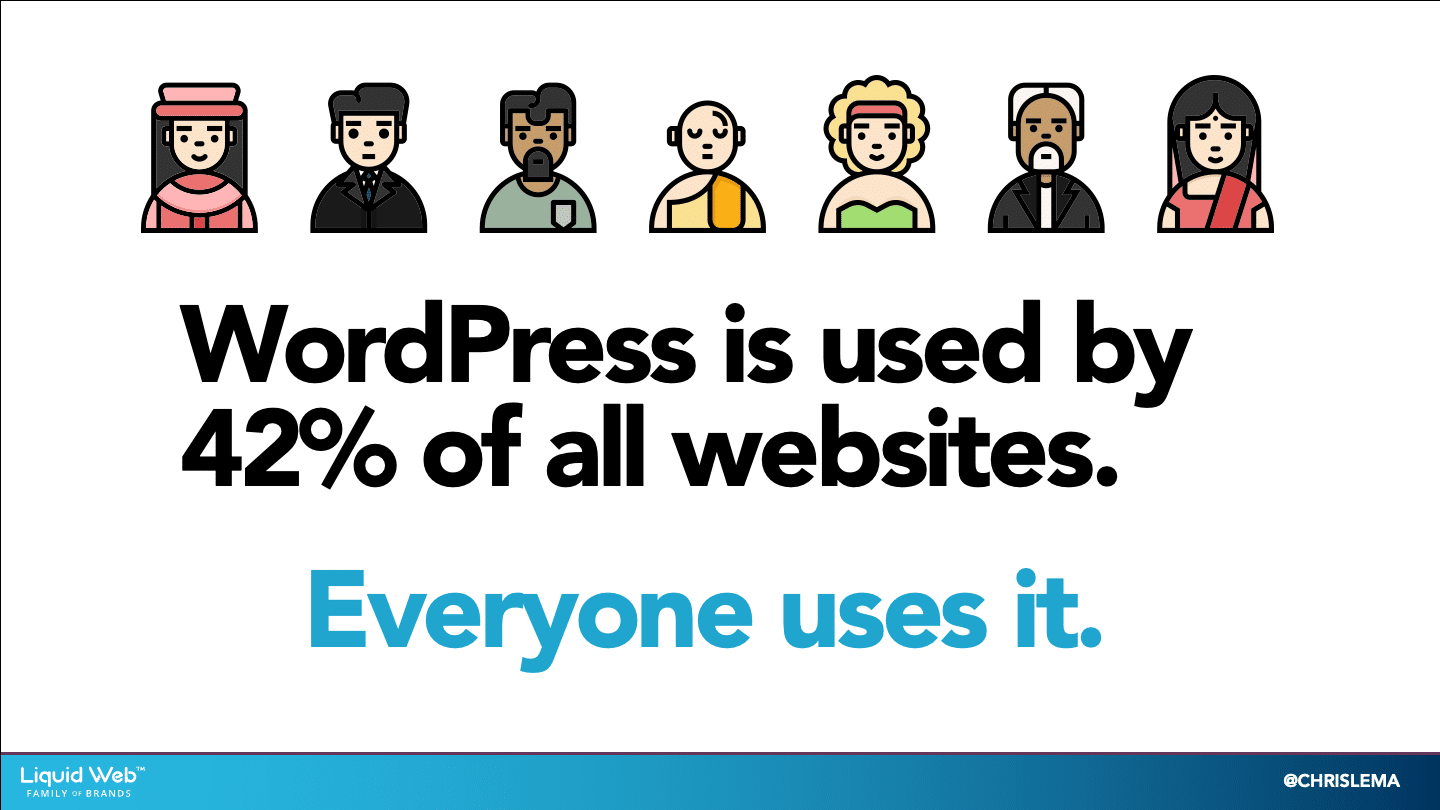
More than 40% of the websites on the planet use WordPress. Of the sites using content management systems, more than 60% of those sites are using WordPress. So you'd think it's the perfect platform to use - since so many people have used it before.
But if they've used WordPress before, they likely know why they don't think of it as a platform for building anything other than blogs and websites.
And no, for the technical folks out there, the answer isn't the database schema. It's a good answer, but it's not the main answer. Especially for non-technical creators who haven't dug into the database design at all.
No, I think there are two other reasons.
Don't get offended. Ok friends. It's a joke. But only sort of.
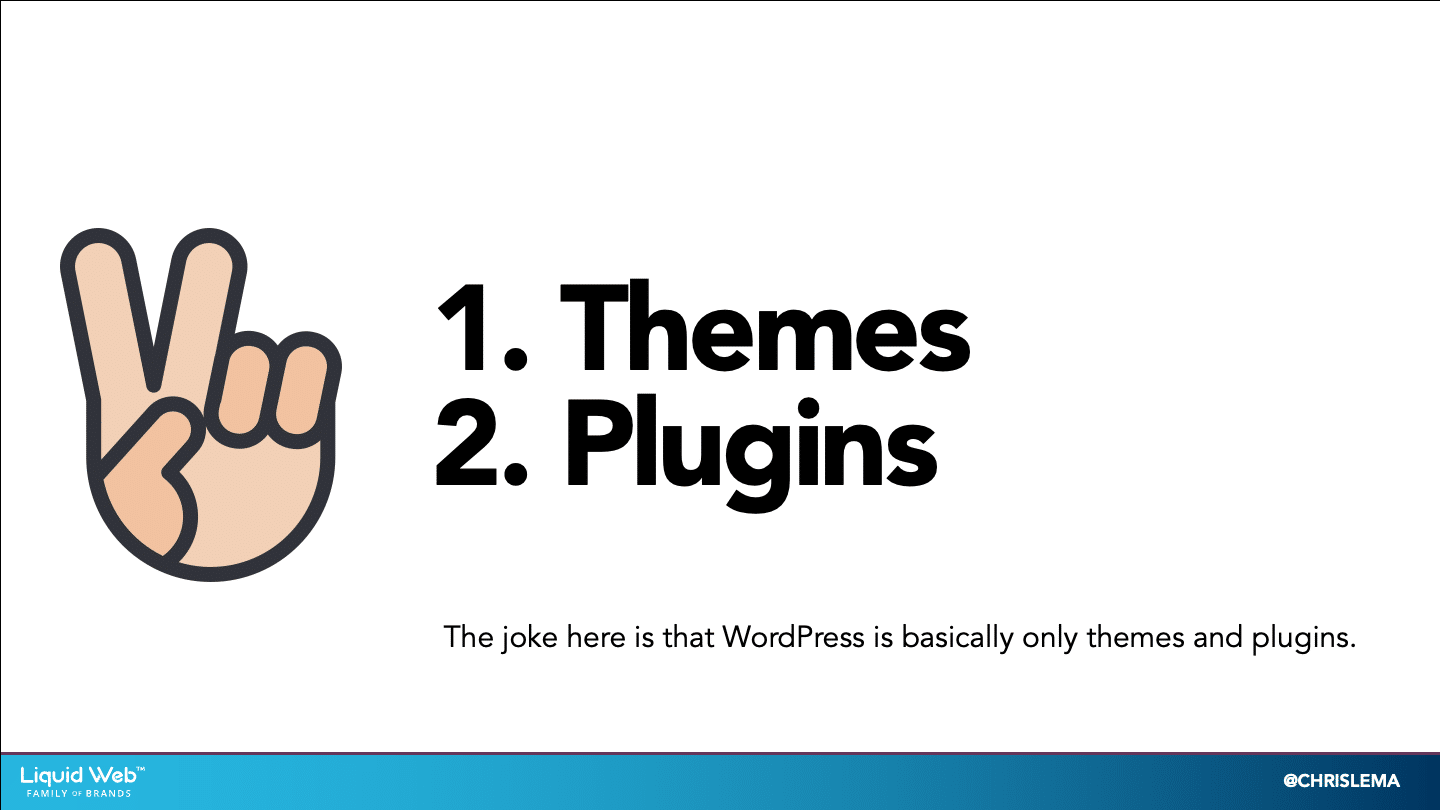
The reality, which is close to the joke, is that when it comes to layouts in WordPress (the design of where things go on the screen), and logic in WordPress (how you get different components to talk to each other), you have needed a developer.
In other words, you couldn't have told them they could do this stuff without writing any code.
At least not until recently. In the layout game, the block editor has dramatically pushed things forward, beyond what page builders have done.
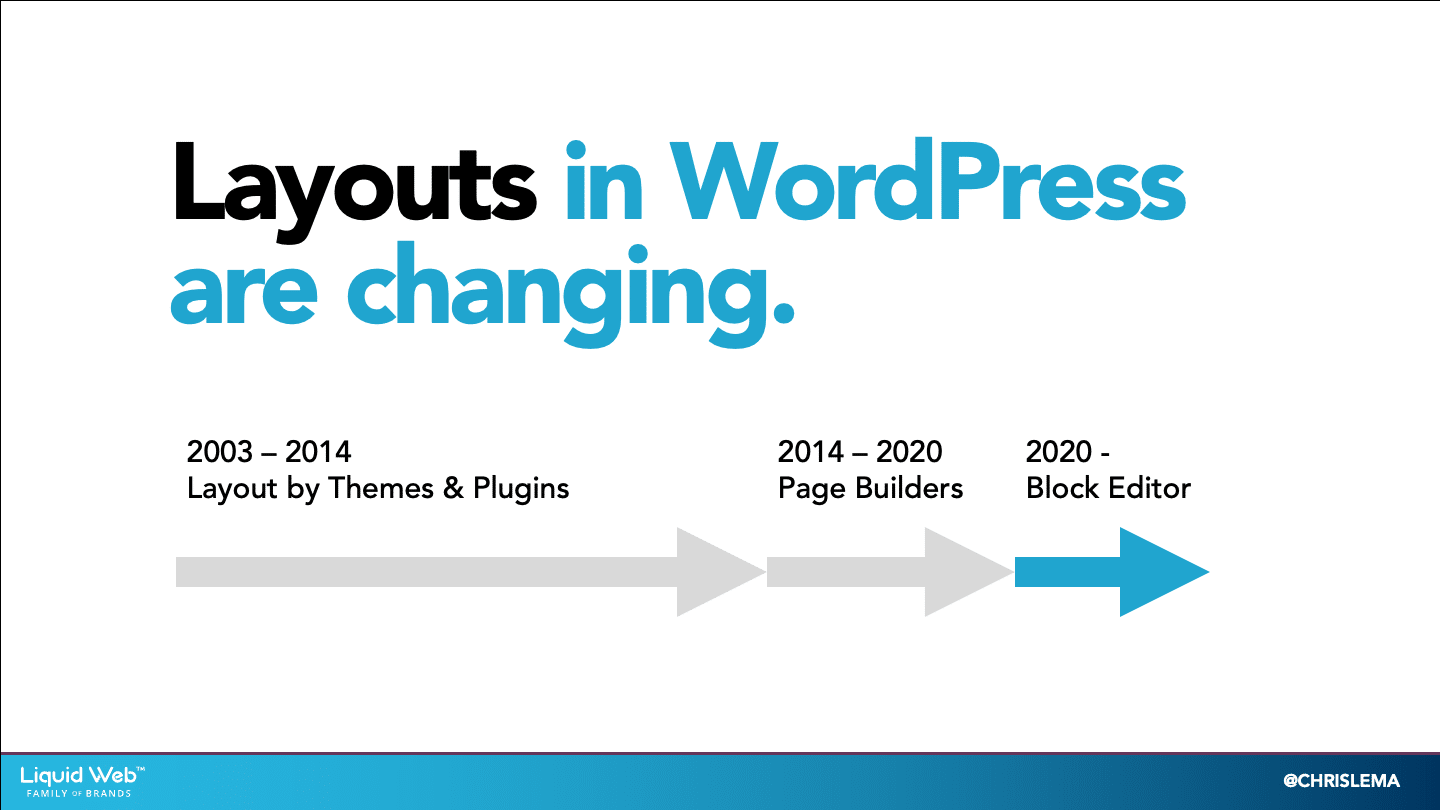
Some of you may debate me. I get that. Page builders certainly helped us move away from layouts that were only controlled by the developer of the theme. Page builders gave us page layouts and rows that could be saved.
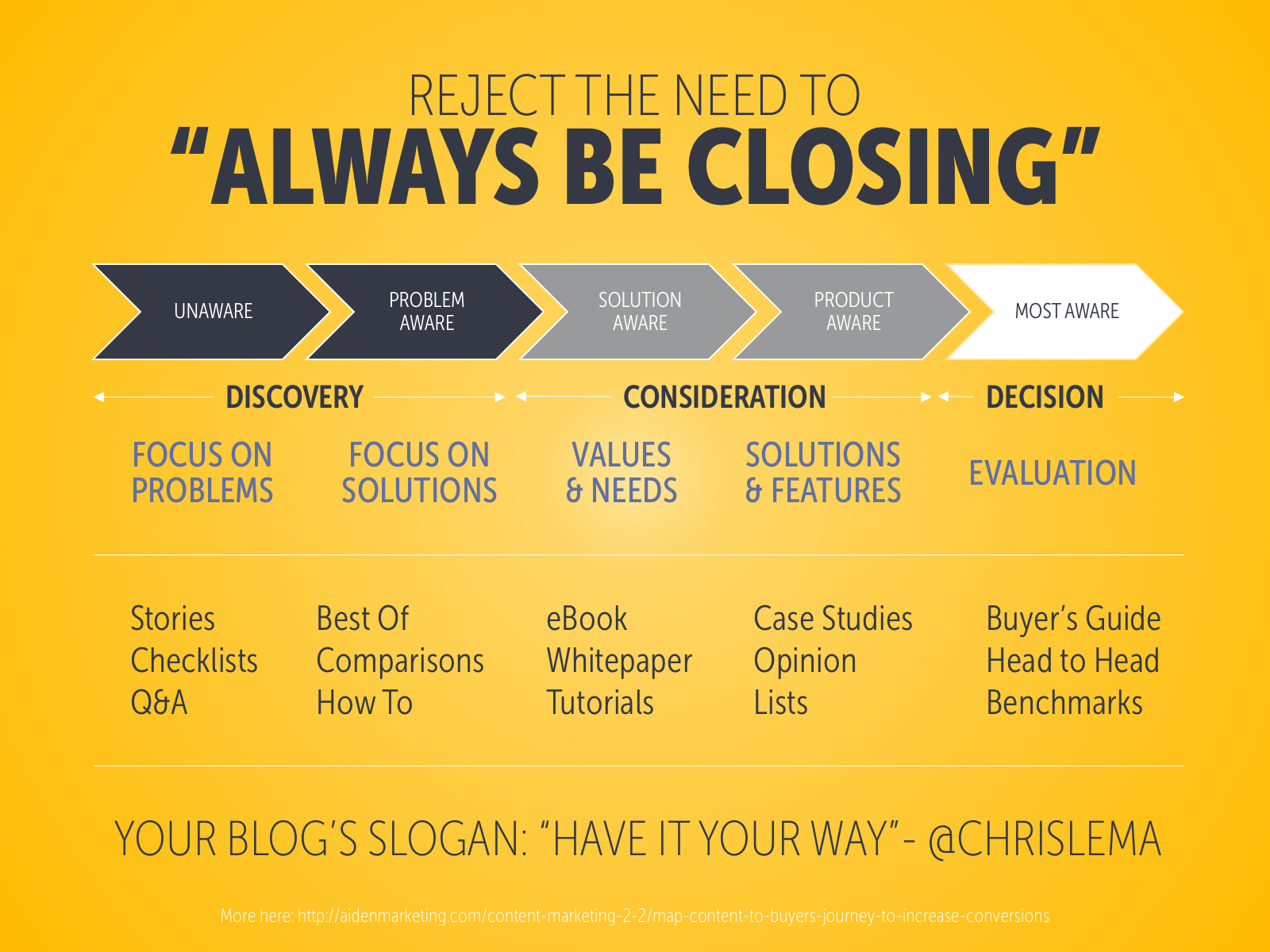
But page builders didn't give us the ability to dynamically create page layouts on the fly based on other conditions. Only Gutenberg did that.
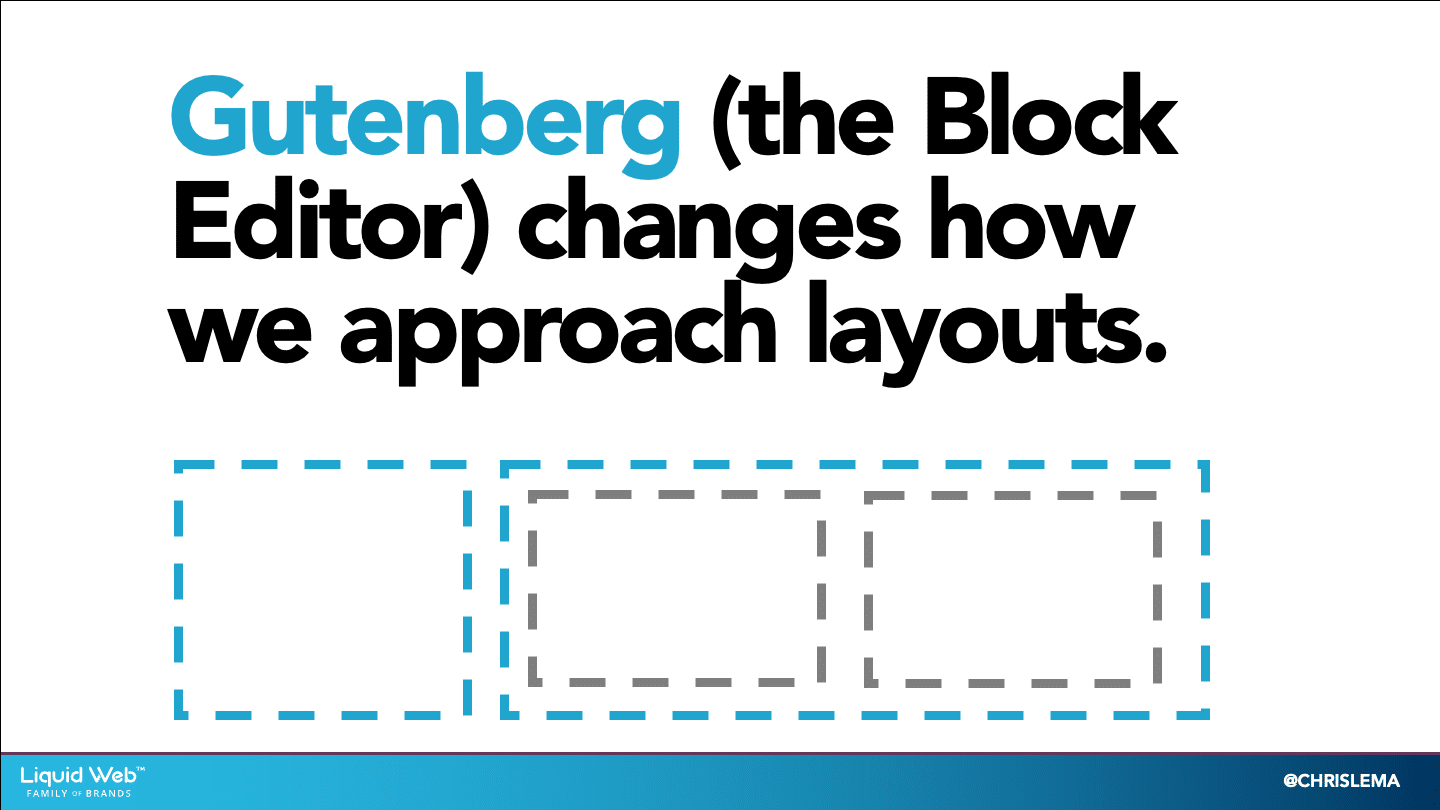
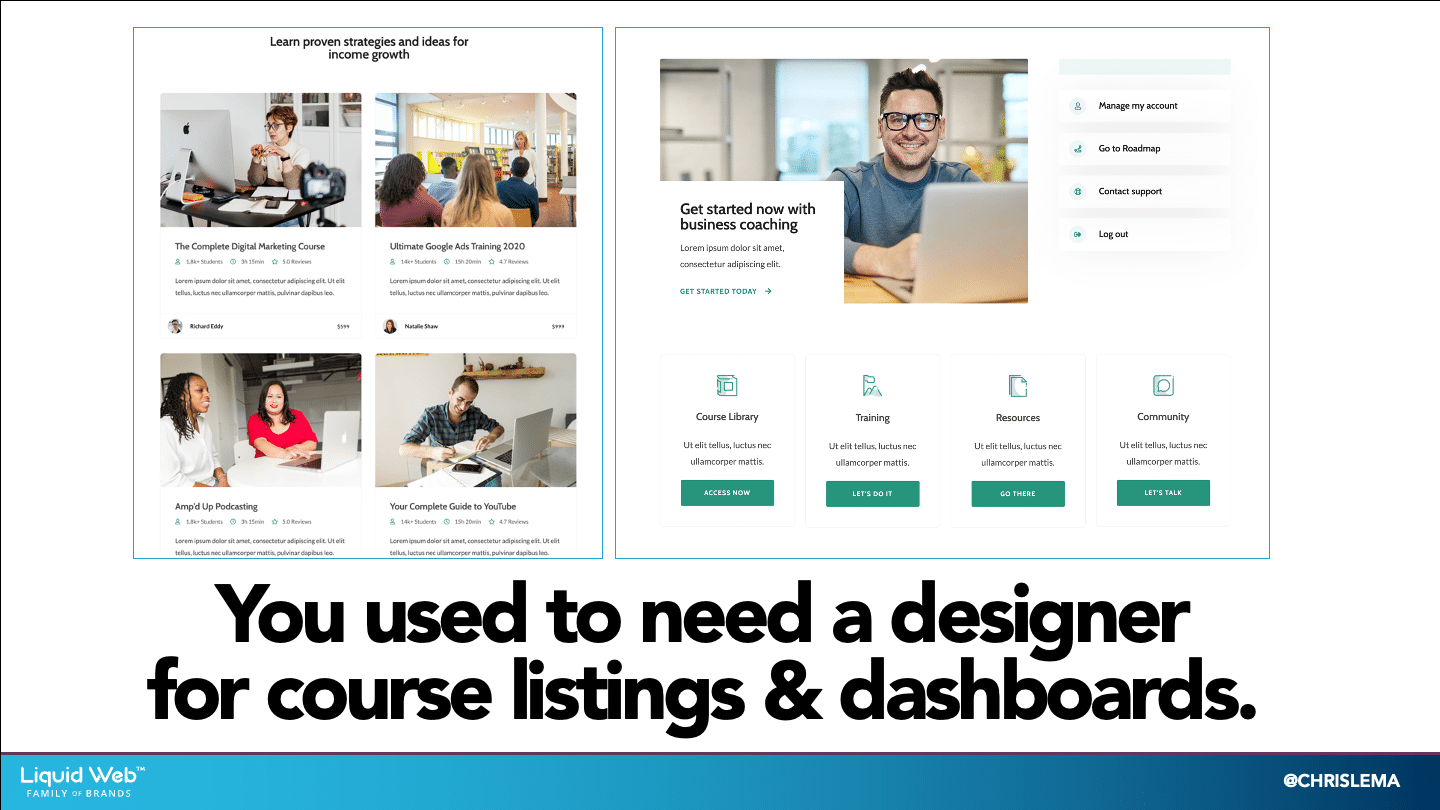
And when you add lightweight themes like KadenceWP, their starter themes, and all their blocks, you end up with amazing and dynamic block-based layouts that non-developers can manipulate - all without writing any code.
The biggest change for creators is the introduction of Automator
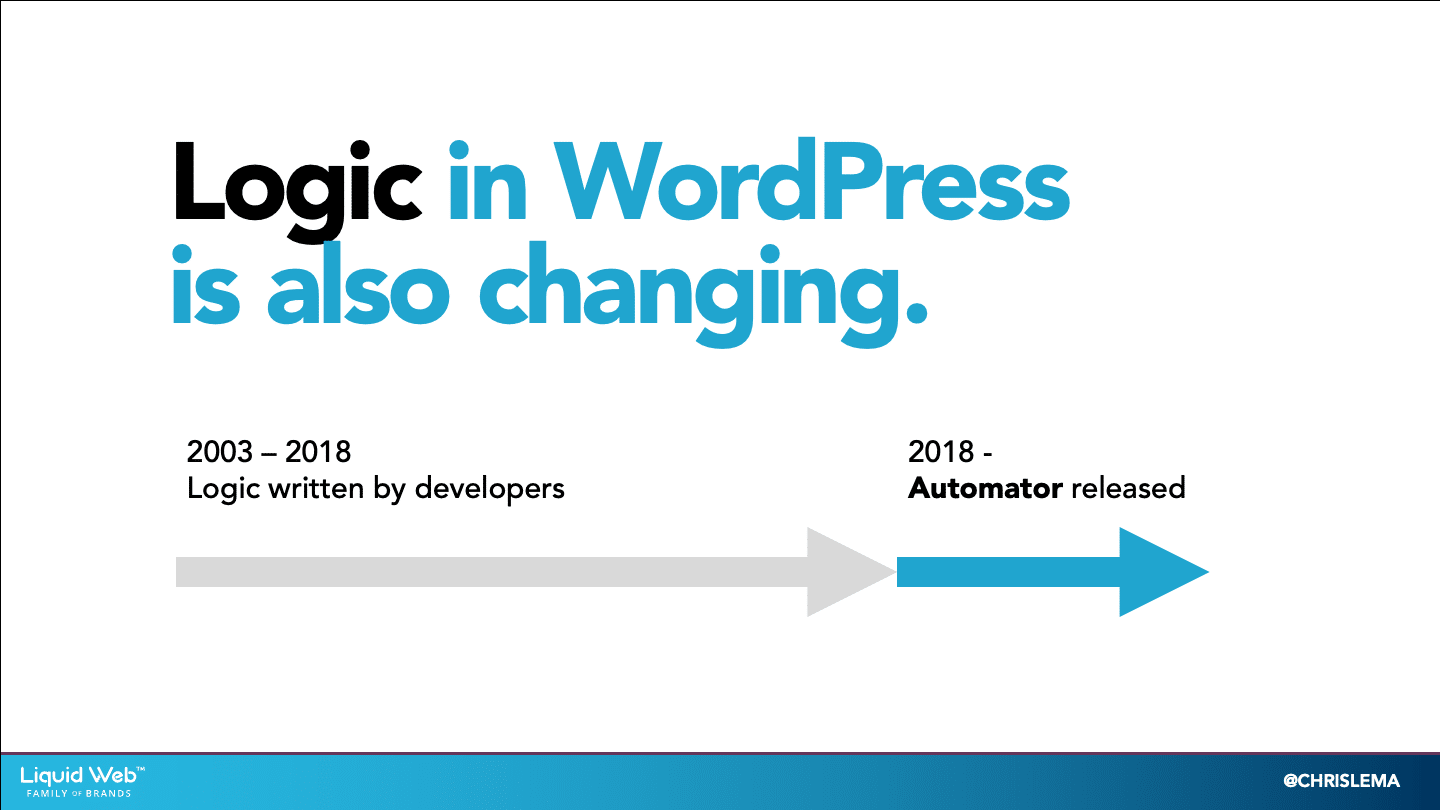
I can't wait to introduce my audience, you, and anyone else who will listen, about Automator Pro. It's the IFTTT or Zapier of WordPress. It does everything that you used to have to hire a developer for.
There are more than 400 triggers and actions, from more than 70 of the most popular WordPress plugins that are available for anyone to build custom logic.
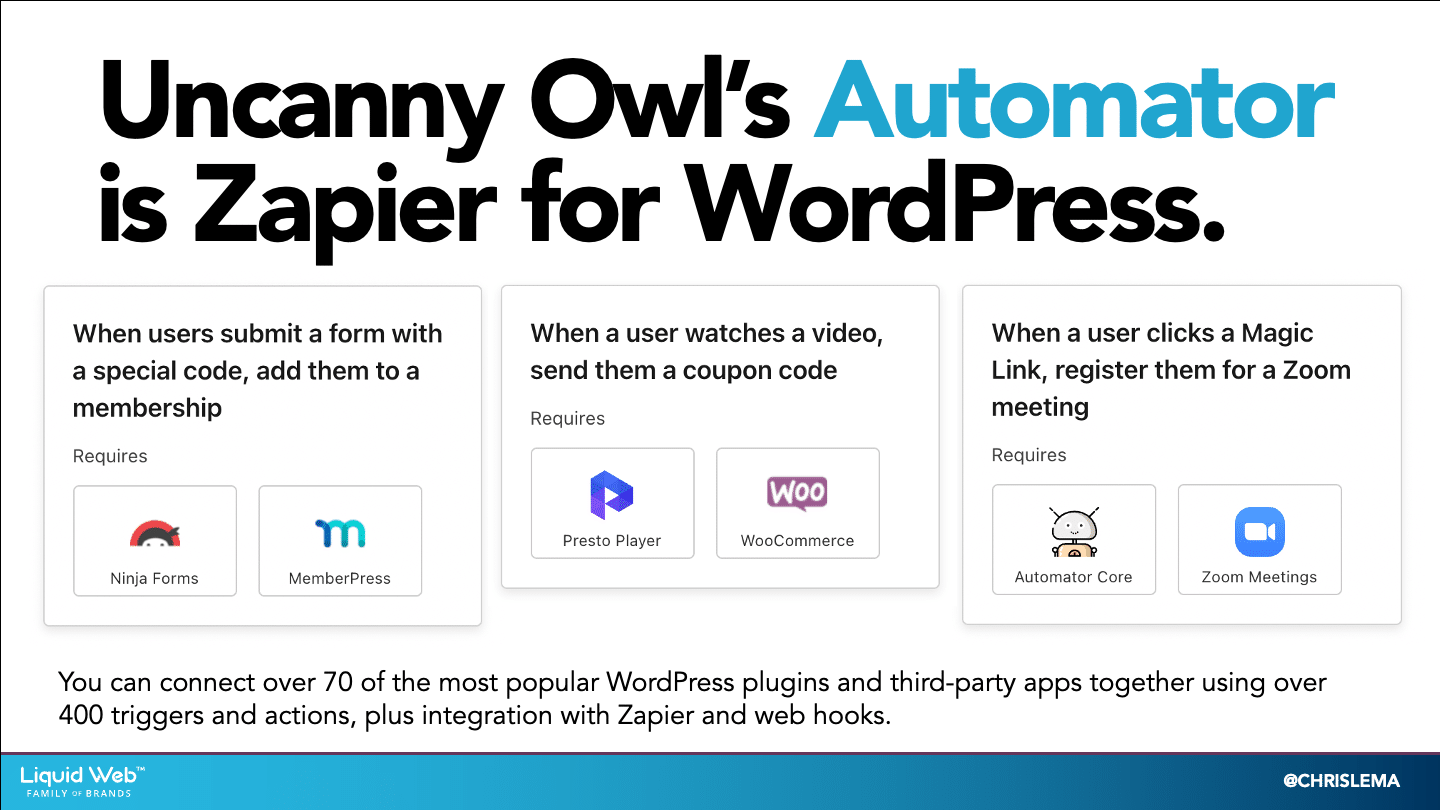
Let's look at a no-code example
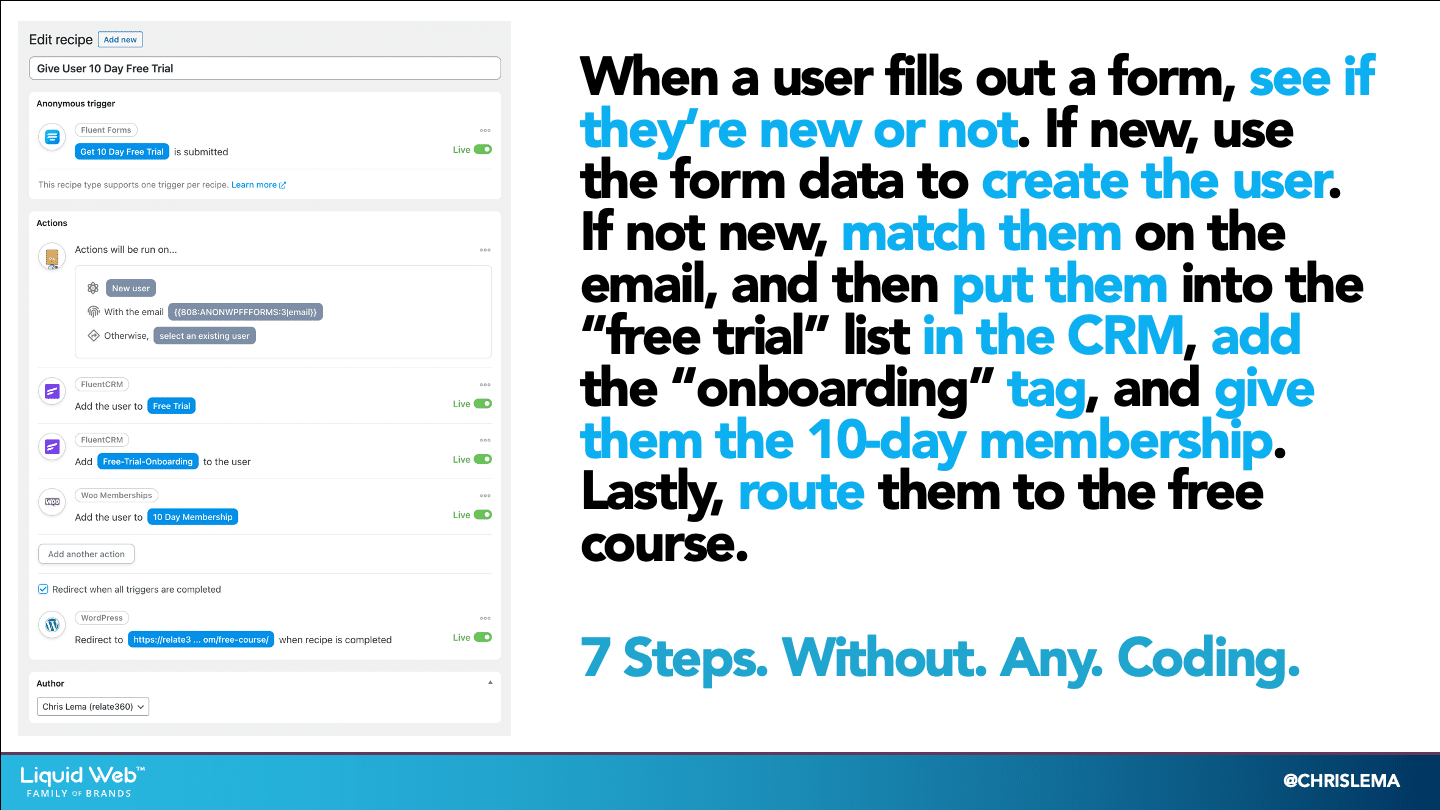
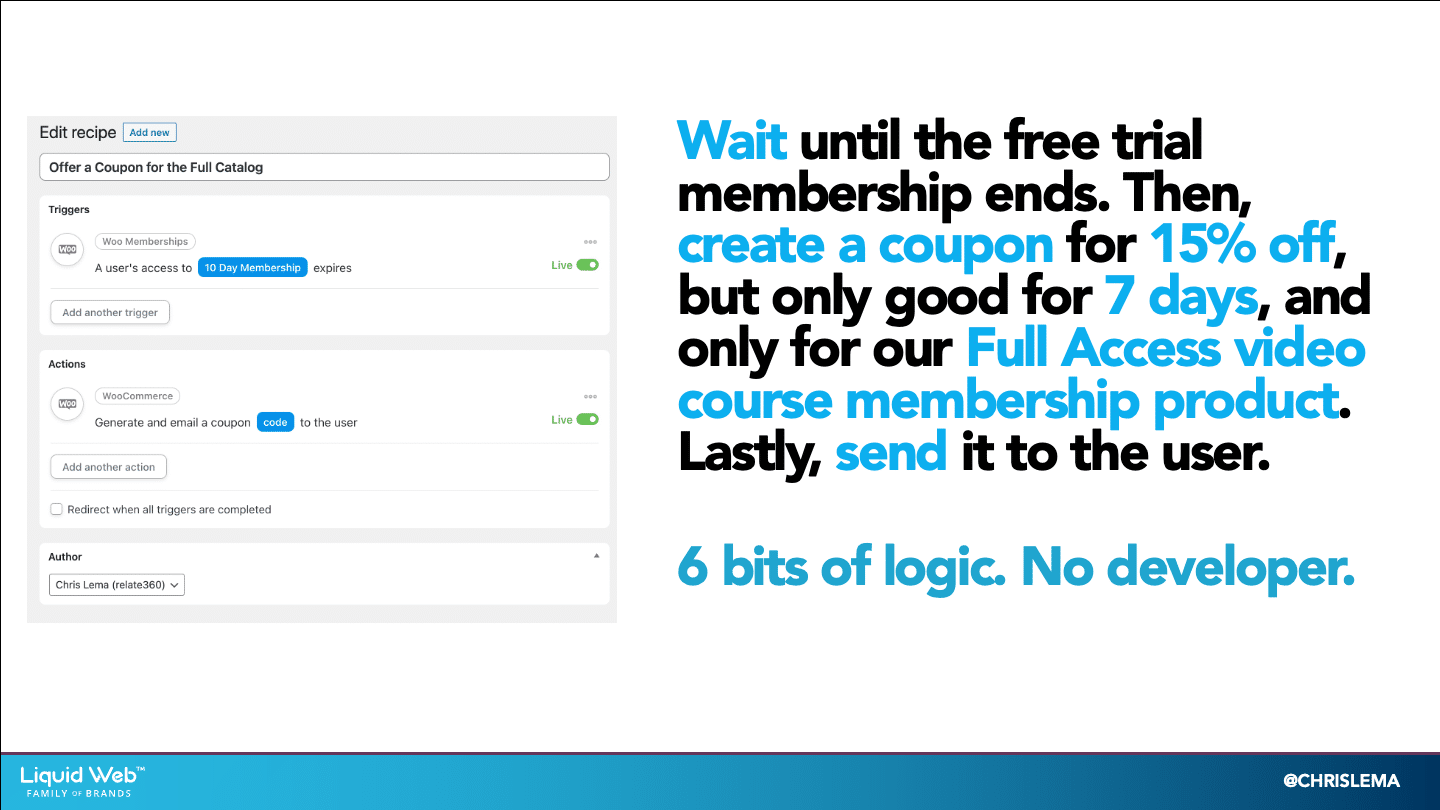
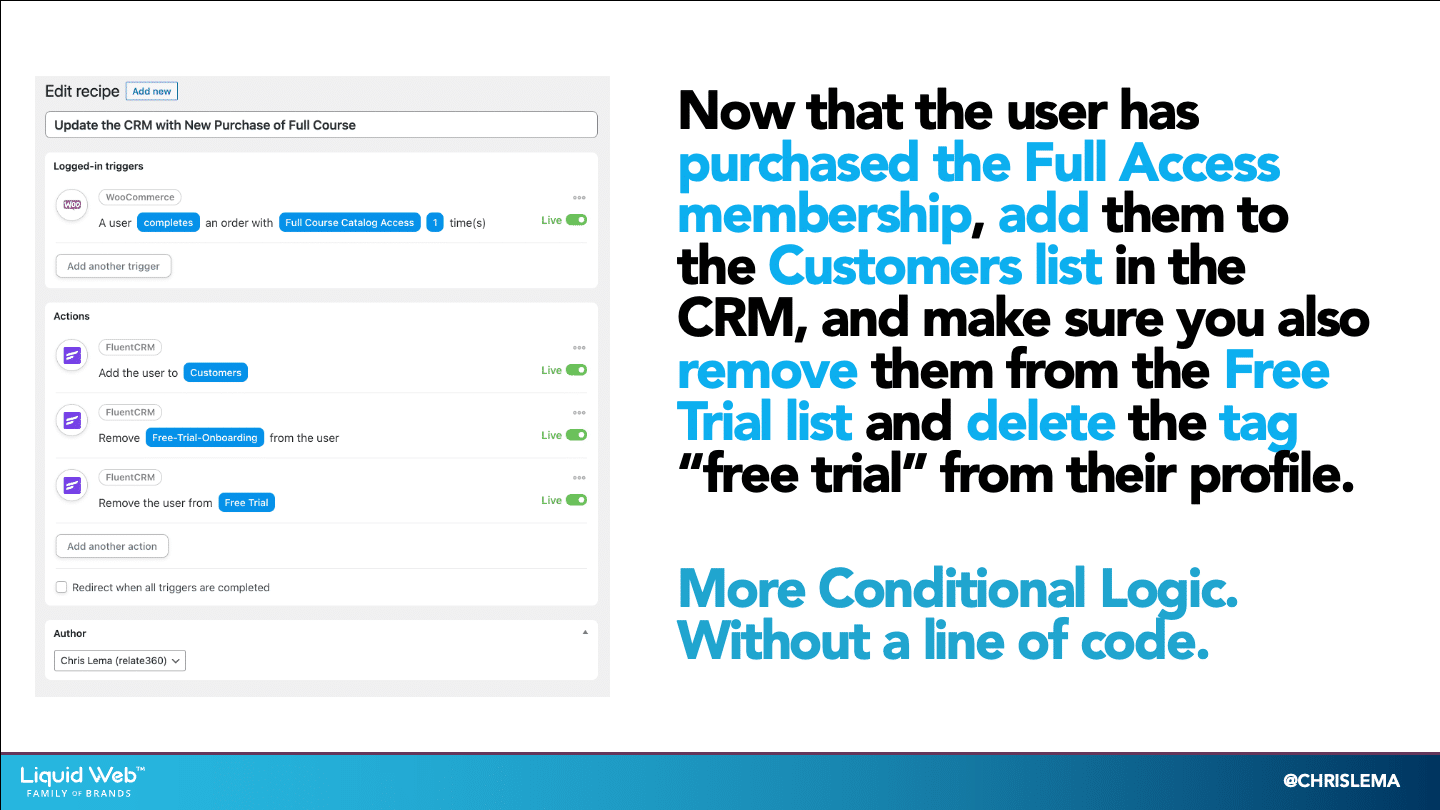
Imagine that I wanted to sell a membership to a set of courses. And further, what I wanted was to offer people a low touch 10 day free trial, but to a different course, and then to follow up with customers of the free trial, and make them a special offer to buy full access to all the great courses I have, with a custom discount coupon. And in the midst of doing all of that, I want to keep a CRM updated so that I can send out onboarding emails and more.
This is the kind of system that in the past someone would have to pay $15,000 - $40,000 depending on the specifics. I know. I've built them. And I've sent customers to others to build sites like this.
Can it really be done without writing any code?
Let's assume that I'm using:
The last thing that I would need is Automator Pro.
Here are the three recipes that I would use.
Isn't Automator Pro Amazing?
It's a bit incredible to see it that clearly, isn't it?
To notice that this is no longer a massive project that requires an expert in each of these plugins. In the past, you might need a developer because you'd have to find the hooks and filters and know how to build your own "glue" when you needed it.
But that's no longer the case.
Creators, without writing any code, can build it themselves because of Automator Pro.
Come hear the talk, and be sure to check out Automator Pro. I think you'll love it.
A story. An insight. A bite-sized way to help.
Get every article directly in your inbox every other day.
I won't send you spam. And I won't sell your name. Unsubscribe at any time.
About the Author
Chris Lema has spent twenty-five years in tech leadership, product development, and coaching. He builds AI-powered tools that help experts package what they know, build authority, and create programs people pay for. He writes about AI, leadership, and motivation.